
Key Takeaways
- Distracted driving, speeding, and aggressive maneuvers are major contributors to local accidents.
- Weather, road work, and impaired driving require extra caution in Philadelphia.
- Staying informed and adhering to safety tips can prevent most car accidents.
- If an accident occurs, knowing your legal options and responsibilities is essential.
Table of Contents
- Distracted Driving
- Speeding and Reckless Driving
- Impaired Driving
- Weather-Related Hazards
- Failure to Yield and Running Red Lights
- Tailgating
- Road Construction and Detours
- Poor Road Conditions
- Inexperienced Drivers
- Unsafe Lane Changes and Merging
- Drowsy Driving
- Vehicle Defects and Lack of Maintenance
- Conclusion
Driving in Philadelphia poses its own set of hazards due to dense traffic, narrow streets, and diverse weather conditions. Understanding the most common causes of car accidents can help you stay alert and avoid dangerous situations. If you or a loved one have been involved in a collision, consulting an accident lawyer in Northeast Philadelphia can be crucial for protecting your rights and navigating the aftermath. Preventing accidents is a shared responsibility of all motorists, and education is the first step toward safer travel on Philadelphia’s roads.
Many car accidents are avoidable with caution and awareness. By examining the leading causes behind crashes in this city, drivers can arm themselves with practical strategies to reduce their risk of serious incidents. Defensive driving habits and respect for traffic laws pave the way for safer commutes and fewer tragedies on the road.
Distracted Driving
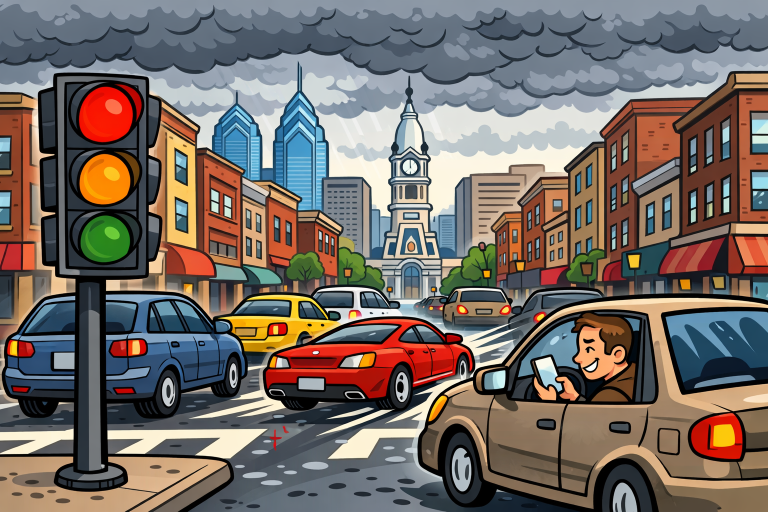
Distracted driving is a leading cause of car accidents in Philadelphia. Common distractions include texting, using GPS, or talking on the phone. Even a few moments of lost focus can lead to collisions with other vehicles, cyclists, or pedestrians. To avoid distraction, keep your hands on the wheel, eyes on the road, and avoid multitasking while driving.
Speeding and Reckless Driving
Speed limits are designed for safety, yet many drivers exceed them to save time. High-speed impacts can lead to severe injuries and property damage, especially on Philadelphia’s crowded streets. Obey posted speed limits and adjust your speed based on weather and traffic conditions to minimize risks. Aggressive driving, such as weaving or tailgating, also contributes to many accidents and should be avoided at all costs.
Impaired Driving
Alcohol, drugs, and even some prescription medications can slow reaction times and impair judgment, making impaired driving a top threat. Never drive after using substances that affect your ability to operate a vehicle safely. Utilize designated drivers, taxis, or rideshare services if you are not in a condition to drive.
Weather-Related Hazards
Philadelphia experiences a wide variety of weather, from icy winters to rainstorms that can make roads slick and hazardous. Reduce speed during rain or snow, extend following distances, and make sure your tires and brakes are ready for inclement weather.
Failure to Yield and Running Red Lights
Many collisions happen when motorists ignore traffic signals, fail to yield the right-of-way, or run red lights. Such actions can cause side-impact crashes at intersections, which are especially dangerous. Always obey traffic signals, yield signs, and be mindful of oncoming traffic and pedestrians when making turns.
Tailgating
Driving too closely to the vehicle ahead can reduce your ability to react in time if they stop suddenly. This is a common cause of rear-end collisions in Philadelphia. Maintain a safe following distance (at least three seconds) in all conditions, and increase this gap during bad weather or heavy traffic.
Road Construction and Detours
Philadelphia regularly updates and repairs its infrastructure, leading to frequent road construction and detours. These temporary changes can be confusing and often result in sudden lane changes or slowdowns. Pay attention to signage, yield to construction workers, and navigate detours carefully.
Poor Road Conditions
Potholes, uneven expansion joints, and loose gravel can all contribute to loss of control or vehicle damage. The city’s freeze-and-thaw cycles often worsen these hazards. Slow down on rough roads, avoid large potholes when safe, and keep both hands on the wheel in affected areas.
Inexperienced Drivers
Teen and novice drivers may have slower reaction times and are more prone to make errors that cause accidents. Parents and guardians should ensure that new drivers receive adequate training, gaining experience in a variety of driving conditions before venturing out on their own. Community resources like NHTSA’s driving safety tips can provide more information for new drivers.
Unsafe Lane Changes and Merging
Failing to signal, check blind spots, or yield to other vehicles can result in side-swipes and multi-car accidents. Always signal lane changes and merging, check mirrors and blind spots, and merge gradually rather than abruptly.
Drowsy Driving
Fatigue can impair focus and reaction time in ways similar to alcohol. If you feel tired behind the wheel, pull over and rest. Late-night driving and long road trips can compound fatigue-related risks, especially on highways and urban streets with heavy truck traffic.
Vehicle Defects and Lack of Maintenance
Mechanical issues such as faulty brakes, worn tires, or non-functioning headlights increase the risk of accidents. Routinely inspect and maintain your vehicle to ensure all components are in good working order, and address recalls promptly.
Conclusion
Awareness of these 12 common accident causes is the first step toward prevention. Practicing defensive driving, staying alert, and maintaining your vehicle can dramatically reduce your risk. Remember, if you are involved in an accident, prompt action and knowledgeable legal advice are vital. Stay safe and make Philadelphia’s streets safer for everyone.
