
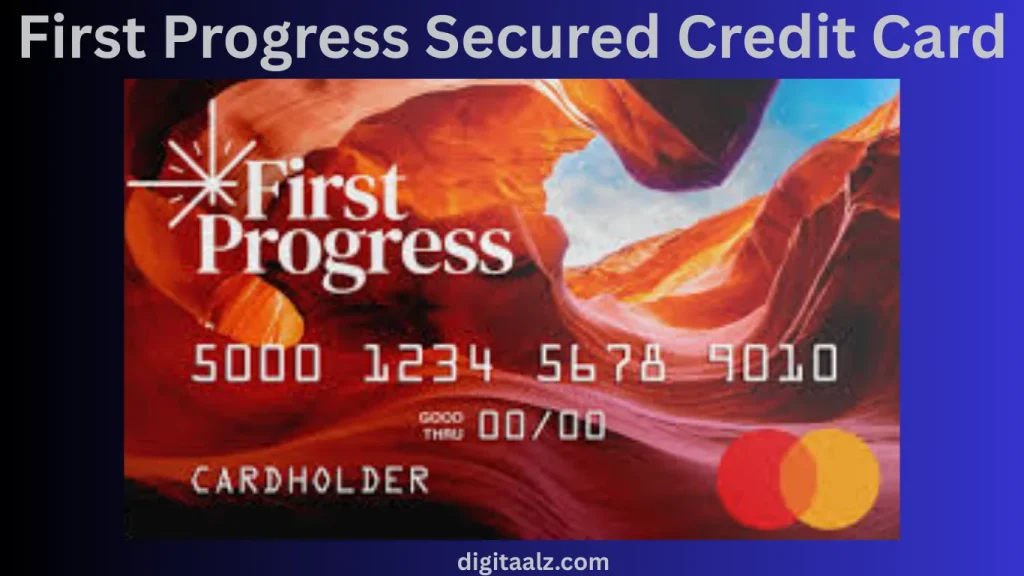
Credit cards are important financial tools in today’s world. They allow you to make purchases, cover emergencies, and build your credit history. For people with little or no credit, however, approval can be difficult. The first progress secured credit card was created for this very purpose. It helps people build or rebuild their credit history by providing access to a secured line of credit backed by a cash deposit.
Unlike traditional credit cards that rely mainly on your credit score, secured credit cards are designed for people who have bad credit or no history at all. By requiring a deposit, the bank reduces its risk while giving you the opportunity to prove your reliability as a borrower.
Understanding Secured Credit Cards
A secured credit card functions much like a standard card, but with one key difference: you must put down a deposit. That deposit acts as collateral. For example, if you deposit $500, your available credit line becomes $500. If you fail to pay your bill, the bank can use the deposit to recover its losses.
This setup makes secured cards ideal for those with poor credit because approval does not depend solely on your credit score. Instead, it focuses on your willingness to provide a deposit and your ability to make on-time payments. The first progress secured credit card follows this model while offering a few extra advantages, such as reporting to all three major credit bureaus.
Purpose of the First Progress Secured Credit Card
The main goal of the first progress secured credit card is to help people start their credit journey or repair a damaged history. Many people face situations where their credit score is too low to qualify for traditional credit cards. Others may have never had credit in their name at all, such as students or recent immigrants.
This card provides an accessible entry point. With responsible use, it allows users to show positive financial behavior. That history eventually builds a foundation that opens doors to better, unsecured credit cards with higher limits and rewards.
How the Application Process Works?
Applying for the card is simple. You fill out an application online and choose how much you want to deposit. The minimum deposit is usually $200, while the maximum can be as high as $2,000. Once approved, you send your deposit, and your account is set up with a credit limit equal to the deposit amount.
An advantage of this card is that you do not need a strong credit history to qualify. In fact, many applicants are approved even with low scores. The bank does not require a credit check in some cases, which makes it less intimidating for beginners.
Versions of the Card
The issuer offers different versions of the card, each designed to fit slightly different needs. While all are secured credit cards, they vary in interest rates and annual fees.
| Version | Annual Fee | APR (Purchases) | Best For |
| Platinum Select | $39 | ~18.24% Variable | People who want a balance between low fee and reasonable interest |
| Platinum Prestige | $49 | ~14.24% Variable | People who may carry a balance and prefer lower APR |
| Classic | $29 | Higher APR (~22.99%) | People who want the lowest annual fee but may pay more interest |
Each version provides the same basic features: deposit requirement, reporting to credit bureaus, and Mastercard acceptance. The choice depends on whether you care more about a low annual fee or a low APR.
Key Features That Stand Out
One of the strongest features of the first progress secured credit card is its reporting policy. Every payment you make is reported to the three major credit bureaus: Experian, Equifax, and TransUnion. This ensures that your responsible behavior improves your credit score across the board.
Another helpful feature is flexibility. You can choose your deposit amount within the approved range. This means you are not locked into one limit. If you can only afford $200, that’s fine. If you want a higher limit like $1,000, you can deposit more.
The card is also widely accepted. Since it operates on the Mastercard network, you can use it in millions of places worldwide. Whether you are buying groceries, paying for gas, or booking travel, the card works like any other.
Costs and Fees Explained
Like any financial product, this card comes with costs. Understanding those costs is important before applying.
- Annual Fee: Depending on the version, you pay between $29 and $49 each year.
- APR (Annual Percentage Rate): The interest charged on balances varies. Prestige has the lowest rate at around 14.24%, while Classic is the highest at about 22.99%.
- Deposit Requirement: A refundable deposit of at least $200 is required. This deposit is your credit line.
- Other Fees: Like most cards, there may be charges for late payments, returned payments, or foreign transactions.
The key to avoiding interest and extra charges is paying your balance in full and on time.
Advantages of Using the Card
The first progress secured credit card provides several advantages for the right user.
- First, it helps you build credit quickly. If you have no history, just using the card for small purchases and paying in full every month creates positive activity. Within six months, you may see improvements in your score.
- Second, it is widely accessible. Many traditional credit cards turn away people with bad or no credit, but this secured option gives them a chance.
- Third, it offers flexibility. You can start with a small deposit and increase it later as your finances improve.
Limitations You Should Know
Even though the card has benefits, it also has some limitations. The annual fee is unavoidable, which makes it less attractive compared to a few secured cards with no fee. The rewards program is minimal, offering just 1% cash back, which is low compared to unsecured cards.
Another drawback is the lack of an upgrade path. Some secured cards automatically transition you into an unsecured version once you prove reliability. This card does not always offer that option, which means you may need to apply for a new card later.
Building Credit With the Card
To succeed with the first progress secured credit card, focus on responsible habits. Always pay on time because payment history is the most important factor in your credit score. Try to keep your balance under 30% of your credit limit. For example, if your limit is $500, avoid carrying more than $150 at a time.
By following these habits, your score will steadily rise. After a year of good use, many users find themselves qualifying for unsecured cards with better benefits. At that point, you can close the secured card and reclaim your deposit.
Safety and Legitimacy
This card is backed by Synovus Bank, a legitimate financial institution. Deposits are refundable when the account is closed in good standing. The bank is FDIC insured, which means your money is protected. The card also uses Mastercard’s secure network, which offers fraud protection and worldwide acceptance.
Real-World Example
Consider someone with no credit history, such as a college student. They deposit $300 to open the account. Each month, they use the card for small purchases like groceries and streaming subscriptions. By paying in full and on time, they build a record of responsible use. Within a year, their credit score rises enough to qualify for an unsecured card with no annual fee. At that point, they close the secured account, get their deposit back, and continue building credit on better terms.
Frequently Asked Questions
How quickly can this card improve my credit score?
Improvement depends on your behavior. Many users see results within six months, though it may take a year for bigger changes.
Can I get denied even if I provide a deposit?
Yes, approval is not guaranteed. Issues like bankruptcy, identity verification, or past defaults with the bank may lead to denial.
What happens if I miss a payment?
Late payments will be reported to credit bureaus and will damage your score. They may also result in fees and higher interest costs.
Is the deposit really refundable?
Yes. As long as you close the account with no outstanding balance, you will get your deposit back in full.
Should I carry a balance to improve my credit score?
No. Carrying a balance costs you interest. Paying in full each month is the best way to build credit and avoid debt.
Conclusion
The first progress secured credit card is a valuable tool for people who need to establish or rebuild their credit. It offers accessibility, credit reporting, and Mastercard acceptance, making it a practical choice for beginners. While the annual fee and modest rewards may be downsides, the long-term benefit of improving your credit score outweighs these costs.
If you use the card responsibly, it can be the stepping stone to a stronger financial future. Pay on time, keep balances low, and treat it as a training tool. Over time, you will earn the trust of lenders and qualify for better cards.
For anyone starting from scratch or recovering from past mistakes, this secured card is not just a piece of plastic. It is a chance to prove yourself financially and open doors to future opportunities.
Also, Read Is the Gander Mountain Credit Card Worth it?
