
The way people pay for goods and services has changed drastically over the years. Businesses no longer rely only on cash or checks because digital payments have taken the lead. Among these modern methods, the wireless credit card machine has become one of the most important tools for merchants who want flexibility and speed in their transactions.
These machines are designed to help small and large businesses accept payments from anywhere without being tied to a counter. They use wireless connections like Wi-Fi, Bluetooth, or cellular data to process transactions quickly and securely. With customer expectations shifting toward convenience, it is no surprise that these devices are now essential in retail, restaurants, and mobile services.
What Is a Wireless Credit Card Machine?
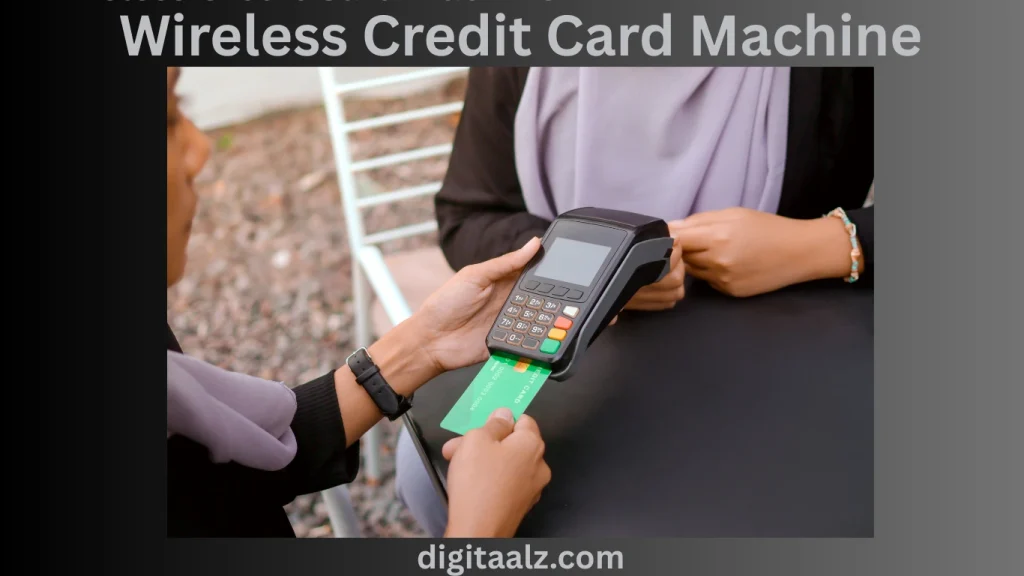
A wireless credit card machine is a handheld device that allows businesses to accept card payments without needing a wired phone line or fixed internet connection. It is portable, lightweight, and user-friendly. Customers can insert their card, tap for contactless payments, or swipe in some models.
These machines connect to payment processors through Wi-Fi or cellular networks, making them reliable for both indoor and outdoor sales. Food trucks, delivery services, pop-up shops, and trade fairs benefit the most from this technology. It ensures that sales are not limited to a single checkout point but can happen anywhere.
How Do They Work?
The process of payment on these machines is straightforward but very secure. When a customer presents their card, the machine captures the data using EMV chips, magstripe readers, or NFC technology. It then sends the encrypted details through its wireless network connection to a payment processor. The processor verifies the transaction with the card-issuing bank and sends back an approval or decline message within seconds.
This entire process happens almost instantly, giving customers a fast checkout experience. Businesses benefit because it reduces waiting times, which improves customer satisfaction and helps retain loyalty.
Why Businesses Prefer Wireless Payment Solutions?
Businesses today need mobility and flexibility. A fixed countertop terminal limits operations, while a wireless system adapts to customer needs. These devices allow payments on the move, whether a waiter is taking a bill at a table or a vendor is selling at an outdoor event.
The benefits include faster processing, greater security, and the ability to accept multiple types of payment. These machines often accept debit cards, credit cards, and mobile wallets like Apple Pay or Google Pay. For customers, this variety is more convenient, and for businesses, it means fewer lost sales due to payment limitations.
Key Features of Wireless Terminals
The modern wireless credit card machine is much more than just a card reader. It comes equipped with features that make business transactions easier and safer.
- EMV chip and NFC support for secure payments
- Built-in printers for receipts
- Long-lasting batteries for all-day use
- Compact and ergonomic designs for easy handling
- Strong encryption to meet PCI compliance standards
These features make them suitable for both small businesses that need portability and large enterprises that require secure and reliable solutions.
Comparing Popular Wireless Devices
Businesses often face the challenge of choosing the right machine from a wide variety of options. The table below compares some of the leading devices in the market to help identify the differences.
| Device Name | Connectivity Options | Notable Features | Best For |
| PAX A920 | Wi-Fi, 4G, Bluetooth | Touchscreen, receipt printer, contactless support | Retail and hospitality |
| Ingenico Move 5000 | Wi-Fi, 3G, 4G | Large display, long battery, EMV and NFC support | High-volume merchants |
| Clover Flex | Wi-Fi, LTE | POS features, tipping options, barcode scanner | Restaurants and mobile vendors |
| Square Terminal | Wi-Fi | Easy setup, built-in printer, low cost | Small businesses and startups |
This comparison shows that different devices target different industries. Choosing the right one depends on transaction volume, mobility needs, and budget.
Cost of Using Wireless Credit Card Machines
The price of these machines varies depending on the model and the payment processor. Entry-level devices can cost around $100, while advanced POS terminals with multiple features can reach $700 or more.
Apart from the machine cost, businesses also pay transaction fees. These usually range between 1.5% to 3% per transaction, depending on the provider. Some companies charge flat monthly fees, while others only charge per transaction. Understanding these costs is important before choosing a provider because it affects profit margins.
Security in Wireless Transactions
One of the main concerns for businesses and customers is security. Luckily, wireless terminals are designed with strict compliance standards. They use end-to-end encryption, tokenization, and secure PIN entry to protect sensitive information.
Most devices comply with EMV and PCI DSS standards, which reduces fraud risks. The adoption of contactless payments also adds a layer of security because customers do not need to hand over their cards to anyone. This creates a safer environment for both sides of the transaction.
Advantages and Challenges
Every payment method has strengths and weaknesses, and wireless machines are no different.
Advantages include:
- Fast and reliable transactions
- Portable and convenient for businesses on the move
- Multiple payment method support
- High level of security
Challenges include:
- Dependence on wireless connectivity
- Higher upfront costs for advanced devices
- Ongoing transaction fees
Despite these challenges, the convenience and flexibility outweigh the drawbacks for most businesses.
Use Cases in Different Industries
Wireless payment solutions are not limited to one type of business. They are used in multiple industries.
- Restaurants and cafes: Servers can bring the terminal directly to the table for easy checkout.
- Retail and boutiques: Sales associates can process payments anywhere in the store.
- Food trucks and street vendors: They can accept card payments without needing a fixed location.
- Delivery services: Couriers can accept payments at the customer’s doorstep.
- Trade shows and markets: Vendors can serve multiple customers quickly without long lines.
This flexibility has made wireless systems one of the most popular choices in modern commerce.
Wireless vs Traditional Credit Card Terminals
Many businesses still use traditional countertop terminals. To understand why wireless is gaining ground, the table below shows the main differences.
| Feature | Wireless Terminal | Traditional Terminal |
| Mobility | Portable | Fixed to one spot |
| Connectivity | Wi-Fi/Cellular | Landline/Ethernet |
| Setup | Quick and simple | Longer setup process |
| Customer Convenience | Pay anywhere | Pay only at counter |
| Best For | Mobile businesses | Stationary locations |
Clearly, wireless options are more suited for today’s dynamic business environments where customer service and convenience are top priorities.
Choosing the Right Provider
The choice of payment processor is just as important as the device itself. A business must consider transaction fees, contract terms, customer support, and integration options. Some providers offer flat-rate pricing, while others use tiered models.
Providers like Square, Clover, PayPal, and Stripe are popular because of their transparency and ease of setup. Traditional merchant service providers may offer better rates for high-volume businesses but often require contracts. Evaluating the provider’s reliability and service quality ensures smooth daily operations.
Future of Wireless Payments
Technology in payments continues to evolve. Newer models now integrate with cloud-based POS systems, offer advanced data reporting, and even allow loyalty program management. With the rise of mobile wallets and digital banking, demand for portable payment solutions will only increase.
Experts predict that wireless machines will soon include biometric verification, advanced AI fraud detection, and seamless integration with accounting software. Businesses that adopt these innovations early will stay ahead in customer satisfaction and efficiency.
Frequently Asked Questions
How does a wireless credit card machine differ from a mobile card reader?
A mobile card reader connects to a smartphone or tablet, while a wireless machine is a standalone device with its own screen and printer.
Can these machines work without Wi-Fi?
Yes, most models support cellular networks like 4G or LTE, allowing them to process payments even without Wi-Fi.
Are wireless terminals safe to use?
They are designed with encryption, tokenization, and PCI compliance, making them very secure for transactions.
What types of payments do they accept?
They accept chip cards, magstripe cards, contactless payments, and mobile wallets such as Apple Pay and Google Pay.
Do small businesses need these machines?
Yes, they help small businesses expand payment options and avoid losing sales when customers do not carry cash.
Conclusion
The wireless credit card machine has transformed how businesses accept payments, offering speed, convenience, and flexibility. From small vendors at outdoor markets to established restaurants, these machines allow payments anywhere without restrictions. They improve customer satisfaction, ensure security, and adapt to modern commerce.
While costs and connectivity remain challenges, the advantages far outweigh the drawbacks. With technology constantly advancing, wireless terminals are expected to become even more efficient and secure in the future. Businesses that embrace them today are preparing themselves for a cashless and mobile future.
